Common Tree Myths Debunked: Proper Care Practices for Dallas and Tarrant County Properties
In the heart of North Texas, where scorching summers in Fort Worth give way to unpredictable freezes in Dallas, homeowners often fall prey to outdated advice that can harm their trees. Picture this: a majestic oak in your Colleyville backyard, topped harshly in an attempt to “control” its growth, only to weaken and succumb to disease. Or a newly planted pecan in Grapevine buried under a volcano of mulch, slowly suffocating its roots in our heavy clay soils. These scenarios are all too common in Dallas County and Tarrant County, where misconceptions about tree care lead to costly mistakes, reduced property values, and even safety hazards during storms.
As a family-owned tree services company with over 40 years of experience serving communities like Southlake, Euless, and beyond, The Lawn Firm is here to set the record straight. Our ISA-certified arborists, who maintain their expertise through ongoing CEUs, and TRAQ-qualified specialists have witnessed the fallout from these myths firsthand. We’ll debunk the most prevalent tree care fallacies circulating in 2025. Whether you’re dealing with heat-stressed elms in Tarrant County or drought-prone maples in Dallas neighborhoods, understanding the truth empowers you to foster healthier landscapes.
This guide covers everything from pruning pitfalls to watering woes, tailored to North Texas’s unique alkaline clay soils and extreme weather. By avoiding these errors, you can extend your trees’ lifespans, enhance curb appeal, and prevent emergencies. Plus, we’ll share practices that align with our personalized, high-touch service. If a myth has already impacted your property, don’t hesitate—schedule a free consultation with our licensed tree service experts in Dallas today.
Myth #1: Topping Trees is a Good Way to Control Growth
One of the most persistent myths in tree care is that severely cutting back the top of a tree known as topping – promotes healthier, more manageable growth. In reality, this practice stresses trees, making them vulnerable to decay, pests, and structural failure. In North Texas, where high winds in Fort Worth can exploit these weaknesses, topped trees often develop weak, upright branches that break easily during storms.
Topping removes the tree’s natural canopy, disrupting its ability to photosynthesize and store energy. According to arborists, this can shorten a tree’s life by up to 50%, especially for species like live oaks common in Dallas County. Instead, opt for selective pruning to maintain shape without harm. Our tree trimming and pruning services follow ISA guidelines to ensure safe, effective care.
For more on proper techniques, check our When and How to Prune Trees in Texas guide to avoid seasonal risks like oak wilt in Tarrant County suburbs.
Myth #2: Mulch Volcanoes Keep Trees Healthy
Piling mulch high around a tree’s trunk in a “volcano” shape might look neat, but it’s a killer practice that’s rampant in North Texas landscapes. This myth stems from the idea that more mulch means better moisture retention, but it actually traps moisture against the bark, leading to rot, girdling roots, and fungal issues in our humid summers.
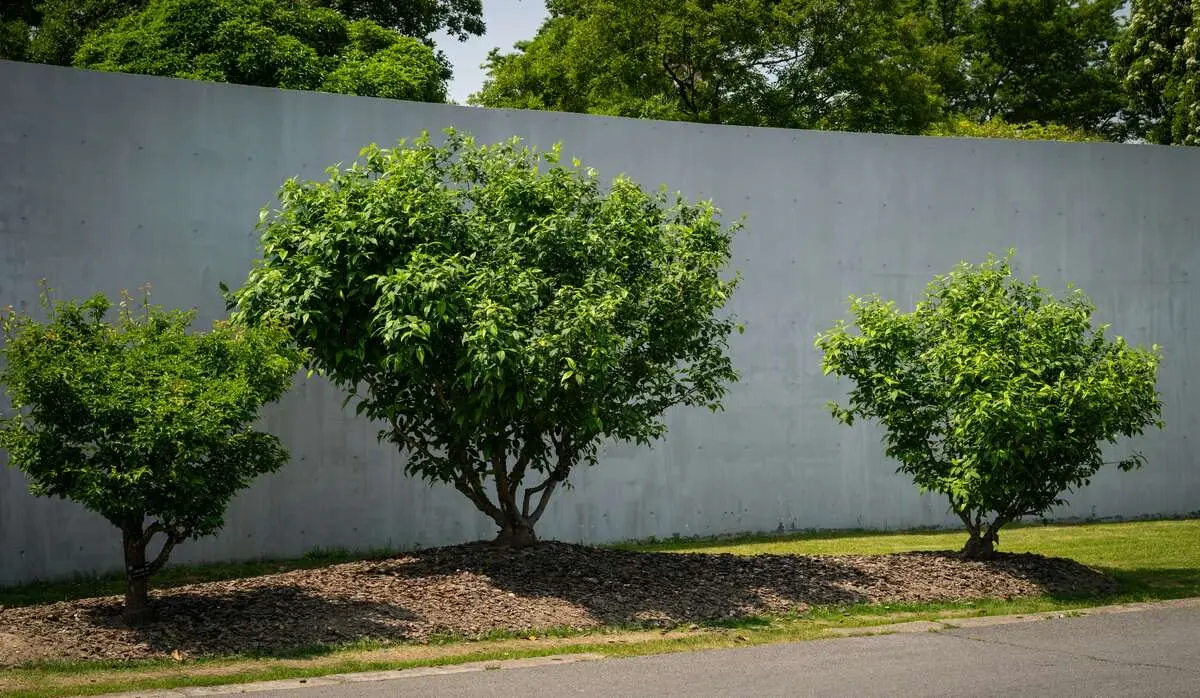
In Dallas and Tarrant County, where clay soils already retain water poorly, mulch volcanoes exacerbate root suffocation and invite pests like borers. The proper way? Apply 2-4 inches of mulch in a wide, flat ring around the base, keeping it away from the trunk. This regulates soil temperature and suppresses weeds without harm.
Avoid this mistake by consulting pros—contact The Lawn Firm for eco-friendly tree care advice in Colleyville.
| Myth | Fact |
|---|---|
| Pile mulch high on trunk | Keep mulch 2-4 inches deep, away from bark |
| More mulch is always better | Excess invites rot in North Texas clays |
| Mulch volcanoes look tidy | They cause long-term tree decline |
Myth #3: Newly Planted Trees Need Daily Watering
Many believe young trees require constant watering to establish roots, but over-watering is a top landscaping mistake in drought-prone North Texas. In reality, trees need deep, infrequent soaking to encourage deep root growth—daily shallow watering leads to weak, surface roots that struggle in Fort Worth’s hot spells.
Tailor watering to our region’s soil: heavy clays in Dallas County hold moisture longer, so aim for 1-2 inches weekly during establishment. Monitor for signs like wilting, but err on the side of caution to prevent root rot. For personalized plans, our arborists assess soil and climate factors during free visits.
Debunk related myths in our Signs Your Tree Needs Professional Help guide to catch stress early.
Myth #4: Fast-Growing Trees Are the Best Choice for Quick Shade
The allure of rapid shade leads many to plant fast-growers like silver maples or cottonwoods, but these often have fatal flaws in North Texas, including weak wood and short lifespans of 15-30 years. In Tarrant County winds and Dallas freezes, they become liabilities, prone to breakage and invasive roots.
Choose resilient natives like bur oaks or cedar elms for long-term benefits. They thrive in our alkaline soils and require less maintenance. Avoid the “worst trees” list by referencing our Best Trees to Plant in Dallas and Fort Worth guide.
Myth #5: Stumps Will Naturally Disappear Over Time
Leaving a stump after removal, assuming it will rot away harmlessly, is a common error. In North Texas’s variable climate, stumps can take years to decompose, attracting pests, fungi, and even regrowth that competes with nearby plants.
Stumps also pose tripping hazards in Grapevine backyards and can harbor diseases like oak wilt. Professional grinding removes them below ground level, allowing for safe replanting. Explore our stump grinding and removal services for complete solutions.
For removal truths, see our Tree Removal Guide.
Myth #6: Pruning Can Be Done Anytime Without Consequences
The idea that you can prune whenever convenient ignores seasonal risks. In Texas, pruning oaks from February to June heightens oak wilt transmission, a fungal disease devastating Dallas County stands. Limit pruning to 20-25% of the canopy to avoid shocking the tree.
Dormant winter pruning is safest for most species in Fort Worth. Our TRAQ experts time interventions precisely—call +1 817-545-6396 for a free assessment.
Myth #7: All Invasive Tree Species Are Bad and Should Be Removed
Not every non-native tree is a villain; some, like certain crepe myrtles, offer benefits without overwhelming ecosystems. However, true invasives like saltcedar disrupt North Texas waterways. A site-specific approach is key—consult locals for balanced management.
Prevent issues with our Ultimate Guide to Tree Care in North Texas.
Myth #8: Trees Are Immune to Summer Heat Stress in North Texas
With 2025’s prolonged droughts, the myth that mature trees handle heat without help persists, but even established ones suffer from “sudden limb drop” in high temperatures. Supplemental deep watering and mulch help, especially in Tarrant County’s urban heat islands.
Prep ahead with our Preparing Your Trees for Texas Storms guide, which covers heat as a precursor to storm damage.
Take Action: Partner with Trusted Tree Service Companies in Dallas
Busting these myths is the first step to vibrant, resilient trees. As a leading licensed tree service in Dallas and Tarrant County, The Lawn Firm offers expert, family-owned care without the hype. info@thelawnfirm.com for your free consultation. Let’s debunk the myths on your property—call +1 817-545-6396 today!
Frequently Asked Questions About Tree Care Myths in Dallas and Tarrant Countyfact
Yes, topping weakens trees and invites disease—opt for professional pruning instead.
No, they linger and cause problems; grinding is the efficient solution.
Dormant season (late winter) to avoid diseases like oak wilt.
Often not—they have short lives and structural issues in our climate.
2-4 inches in a wide ring, never piled against the trunk.
Absolutely—it leads to root rot in our clay soils; deep, infrequent watering is better.
Not always—some provide value, but assess site-specifically.
Deep watering, proper mulching, and regular inspections—contact us for tips.
For post-storm clarity, read our What to Do After a Storm guide.