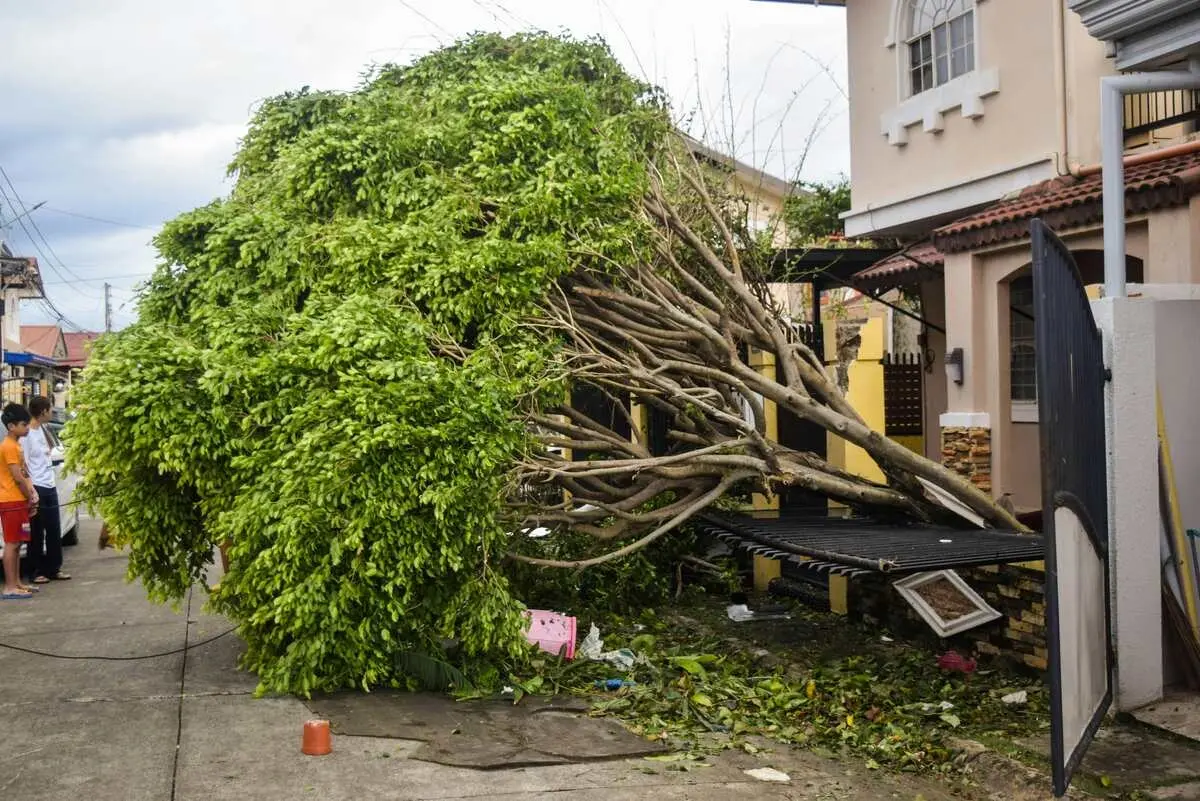
Preparing Your Trees for Texas Storms: Prevention Tips for Dallas and Tarrant County Homeowners
North Texas storms can strike with little warning – fierce winds whipping through Tarrant County, torrential rains flooding Dallas County yards, or even tornadoes touching down in neighborhoods like Colleyville and Grapevine. In 2026, with forecasts predicting an active severe weather season influenced by warmer Gulf waters and La Niña patterns, homeowners are bracing for more frequent events like the historic MCS storms that battered the region last spring. These tempests don’t just disrupt power lines; they topple weakened trees, causing property damage, safety hazards, and costly cleanups. Imagine a mature live oak in your Southlake backyard snapping during a wind gust, crashing onto your roof – scenarios all too common without proper storm damage tree removal in Dallas or proactive prep.
At The Lawn Firm, a family-owned tree service with over 40 years of experience safeguarding landscapes across Dallas County and Tarrant County, we’ve guided countless residents through these challenges. Our ISA-certified arborists, who pursue ongoing CEUs and hold TRAQ certifications for precise risk assessments, deliver strategies tailored to our area’s clay soils and wind patterns. We prioritize prevention to minimize the need for emergency tree service near me, focusing on sustainable techniques that protect both your trees and the environment.
This guide offers practical prevention tips for Texas storms, from risk evaluation to structural reinforcements. We’ll help you fortify your trees against the elements, reducing the likelihood of severe damage. Incorporate storm prep into your routine with our Ultimate Guide to Tree Care in North Texas. If your trees show vulnerabilities, schedule a free consultation with our experts today at +1 817-545-6396 or info@thelawnfirm.com – early action saves time, money, and stress.
Understanding Storm Risks in Dallas and Tarrant County
North Texas faces a unique blend of weather threats: straight-line winds up to 70 mph in spring thunderstorms, hail the size of golf balls, and occasional tornadoes that sweep through Fort Worth suburbs. In Dallas County, saturated clay soils exacerbate root instability during heavy rains, while Tarrant County’s open spaces amplify wind exposure in areas like Grapevine. Recent 2025 data from the National Weather Service highlights an uptick in severe events, with over 20 confirmed tornadoes in the DFW metro by September, underscoring the need for resilient landscapes.
Common risks include:
- Wind Shear: Uprooting shallow-rooted trees or snapping heavy limbs.
- Flooding: Oxygen-deprived roots leading to toppling in storm aftermaths.
- Hail and Lightning: Bark damage inviting pests and diseases like oak wilt.
- Secondary Hazards: Fallen debris blocking roads or sparking fires.
These factors hit urban neighborhoods hard, where mature trees near structures pose amplified dangers. Our qualified team conducts site-specific assessments to identify at-risk specimens. Identify vulnerabilities early in our guide on Signs Your Tree Needs Professional Help.
Assessing Tree Risks Before Storms Hit
Prevention starts with evaluation—don’t wait for dark clouds to inspect your canopy. In Tarrant County, where winds often exceed 50 mph during supercells.
Steps to assess:
- Visual Inspection: Look for leaning trunks, cracks in bark, or deadwood—common in Dallas County’s drought-stressed oaks.
- Root Zone Check: Probe for heaving soil around bases, a sign of instability in clay-heavy Fort Worth yards.
- Canopy Analysis: Note overloaded branches or rubbing limbs that could fail under gusts.
- Professional Input: Our free consultations include detailed reports, ensuring compliance with ISA standards.
Regular checks, especially pre-storm season (March-June), can prevent 80% of failures. Choose storm-resistant species from our Best Trees to Plant guide for long-term resilience.
Proactive Pruning and Maintenance for Storm Readiness
Pruning isn’t just cosmetic – it’s a frontline defense against Texas storms. In 2026, experts recommend structural pruning to lighten canopies and improve wind flow, reducing snap risks in Colleyville’s dense lots. Focus on removing dead, diseased, or weak branches before peak season.
Best practices:
- Timing: Prune dormant trees in winter; avoid oak wilt windows (February-June) in Dallas County.
- Technique: Use the three-cut method to prevent tears—our ISA arborists demonstrate during free visits.
- Frequency: Annual light trims for young trees; every 2-3 years for matures in Tarrant County winds.
- Mulching and Watering: Maintain moist, mulched root zones to anchor trees against floods.
Prune for strength before storms in our pruning guide. For hands-on help, contact us for tree trimming that bolsters storm resistance.
Structural Support Techniques: Cabling and Bracing
For high-value trees showing early signs of failure, cabling and bracing provide non-invasive reinforcement. In Southlake, where historic oaks line streets, these methods distribute weight and stabilize splits without removal.
How it works:
- Cabling: Install flexible cables in the canopy to limit sway during winds up to 100 mph.
- Bracing: Use rods to support forks or trunks, ideal for clay soil instability in Fort Worth.
- Installation: Our TRAQ experts drill minimally and monitor annually, ensuring eco-friendly longevity.
These techniques, endorsed by the ISA, can extend tree life by decades. Explore our tree cabling and bracing services for personalized installs during free consultations.
Support Options Comparison
| Technique | Best For | Durability | Cost Considerations |
|---|---|---|---|
| Cabling | Multi-stem trees | 10-20 years | Contact for free estimate |
| Bracing | V-shaped crotches | 15+ years | Professional assessment required |
| Guying | Young transplants | 1-3 years | Temporary storm aid |
This table aids decision-making for Dallas and Tarrant County properties.
Post-Storm Actions: Cleanup and Recovery
Even with prep, storms happen—act swiftly but safely post-event. In Grapevine, where debris clogs streets, prioritize hazards like hanging limbs.
Recovery steps:
- Secure the Site: Avoid touching downed lines; call pros for emergency tree removal in Tarrant County.
- Assess Damage: Document for insurance; our team provides free evaluations.
- Cleanup: Chip branches for mulch, promoting soil health without waste.
- Rehab: Fertilize roots and prune remaining breaks to prevent infection.
Hasty removals often regret – For efficient storm cleanup, reach out at +1 817-545-6396.
Storm Preparation Checklist for North Texas Homeowners
Stay ahead with this actionable list, customized for our region’s threats:
- Pre-Season (Winter/Spring): Schedule TRAQ assessment and pruning.
- Ongoing Maintenance: Mulch 3 inches around bases; water deeply during droughts.
- Before a Forecasted Storm: Secure loose yard items; brace young trees.
- During the Event: Stay indoors; monitor via NWS apps.
- Aftermath: Inspect for leaks or cracks; contact for emergency tree service near me.
Print and follow this for peace of mind in Colleyville or Dallas.
| Task | Frequency | Local Tip |
|---|---|---|
| Risk Assessment | Annually | Focus on wind-exposed sides in Fort Worth |
| Pruning | As needed | Avoid oaks Feb-June in Dallas County |
| Cabling/Bracing | Every 5 years | For trees over 30 ft in Southlake |
| Mulching | Spring/Fall | Use native chips for Tarrant soils |
| Post-Storm Check | Immediately | Free consult from The Lawn Firm |
Frequently Asked Questions About Preparing Trees for Texas Storms
Assess for weak branches, prune proactively, and install cabling—our free consultations tailor plans for Dallas County winds.
Secure the area and call for professional storm damage tree removal in Dallas to avoid further risks; we respond promptly.
Yes, they stabilize against gusts up to 70 mph, per ISA—schedule an assessment today.
At least annually, more if near structures; learn signs in our Signs Your Tree Needs Professional Help guide.
Yes, by avoiding pruning in high-risk seasons and using wound dressings—contact for safe emergency tree service near me.
Chip on-site for mulch or haul away sustainably; our storm cleanup services handle it efficiently.
Absolutely—drought-tolerant roots anchor well; select from our Best Trees to Plant guide.
Call +1 817-545-6396 or email info@thelawnfirm.com—our ISA experts serve all of Tarrant and Dallas Counties.