The Complete Tree Care Resource for Dallas and Tarrant County Homeowners: Expert Tips and Services
In the heart of North Texas, where scorching summers push temperatures above 100°F and sudden thunderstorms can unleash gale-force winds, maintaining healthy trees is more than a landscaping choice—it’s essential for safety, property value, and environmental harmony. Homeowners in Dallas County and Tarrant County face unique challenges: alkaline clay soils that compact easily and retain water poorly, prolonged droughts that stress even mature trees, and frequent severe weather events that can topple limbs or uproot entire specimens. As climate patterns shift, 2025 trends emphasize drought-resistant native species and proactive seasonal care to combat heat stress and pest pressures, ensuring trees not only survive but thrive in our urban and suburban landscapes.
At The Lawn Firm, a family-owned tree services company with over 40 years of experience serving Dallas, Fort Worth, Colleyville, Grapevine, Southlake, and surrounding areas in Dallas County and Tarrant County, we understand these local dynamics intimately. We prioritize sustainable practices that respect North Texas’s ecosystem, from mulching to combat soil erosion to targeted health evaluations that prevent costly issues down the line.
This comprehensive resource serves as your central guide to professional tree care in Tarrant County and Dallas County. We’ll explore high-level overviews of essential topics, drawing on the latest best practices for tree maintenance in Fort Worth and Dallas – such as deep, infrequent watering during dry spells and avoiding pruning during high-risk periods for diseases like oak wilt.
Understanding the North Texas Climate and Its Impact on Trees
North Texas’s semi-arid climate, characterized by hot, dry summers and mild winters punctuated by occasional freezes, presents a demanding environment for trees. Alkaline clay soils dominate Dallas and Tarrant County, often leading to poor drainage and nutrient lockup, which exacerbates drought stress – especially as 2026 projections indicate even hotter summers with less predictable rainfall. Storms, including hail and high winds from the region’s frequent severe weather, account for a significant portion of tree damage calls, while fungal diseases thrive in humid microclimates created by overwatering or overcrowding.
Why does this matter for professional tree care in Tarrant County? Healthy trees provide shade that can reduce home cooling costs by up to 20-30% in Dallas summers, support local pollinators, and boost property values by enhancing curb appeal. However, neglecting maintenance can lead to hazards like falling branches or the spread of oak wilt, a vascular fungus that’s reached epidemic levels in Texas, killing oaks rapidly if not addressed early. In fact, avoiding tree wounding or pruning from February through June is a key prevention strategy recommended by Texas A&M Forest Service experts, as this is when the disease spreads most aggressively via sap-feeding beetles.
For tree services in Dallas, proactive steps like soil testing and mulching around the base (extending 3-10 feet without piling against the trunk) help retain moisture and suppress weeds, promoting root health. Our arborists at The Lawn Firm integrate these practices into every consultation, ensuring your trees are resilient against local threats. To get started, schedule a free consultation today.
Quick Climate Adaptation Table for North Texas Trees
| Season | Key Challenge | Best Practice for Tree Maintenance Fort Worth/Dallas |
|---|---|---|
| Spring | Variable rains, oak wilt risk | Monitor for veinal leaf necrosis; delay pruning until July. |
| Summer | Extreme heat (100°F+), drought | Deep water weekly (1-2 inches); mulch to cool roots. |
| Fall | Cooling temps, planting window | Plant natives like Shumard Red Oak; fertilize lightly. |
| Winter | Occasional freezes | Water during dry spells; avoid over-pruning to prevent stress. |
Tree Health & Maintenance Essentials
Maintaining tree health in Dallas and Tarrant County starts with routine evaluations and seasonal adjustments tailored to our harsh conditions. Common issues include heat-induced wilting, pest infestations like emerald ash borer, and diseases such as hypoxylon canker, which weakens stressed trees during droughts. Professional tree care in Tarrant County emphasizes integrated pest management and soil amendments to build long-term vitality.
For a broad foundation, explore our pillar blog: The Ultimate Guide to Tree Care in North Texas: Seasonal Tips for Dallas and Tarrant County Homeowners. It covers watering techniques – like deep soaking to encourage root depth – mulching to conserve moisture, and fertilizing schedules that avoid overfeeding in clay soils. Complement this with Signs Your Tree Needs Professional Help: How to Spot Diseases and Issues in Dallas and Tarrant County Trees, which details symptoms like leaf scorch or branch dieback, urging early intervention to save mature specimens.
Our services, such as Arborist Consultations & Tree Health and Tree Health Evaluation, provide on-site assessments to identify risks before they escalate. In Colleyville or Grapevine, where urban density amplifies issues, these evaluations often reveal hidden root problems from compacted soil. Contact us at +1 817-545-6396 for a free consultation to safeguard your trees’ future.
Selecting and Planting the Right Trees
Choosing trees for Dallas County yards means prioritizing natives adapted to our heat, poor soils, and occasional floods. In 2025, trends favor drought-tolerant species that support biodiversity, such as the Lacey Oak or Bald Cypress, which thrive in Tarrant County’s variable conditions without excessive watering. These not only lower maintenance needs but also enhance local wildlife habitats, aligning with urban forestry goals in Fort Worth and Dallas.
Dive deeper into our guide: Best Trees to Plant in Dallas and Fort Worth: A Guide to Native Species for Your Yard. It highlights top picks like Chinquapin Oak for shade and Cedar Elm for fast growth, with planting tips for fall installation to allow root establishment before summer heat. Proper site selection—considering mature size, sun exposure, and proximity to structures—is crucial to avoid future removal costs.
Through our Tree Planting service, our ISA-certified team ensures proper installation, including root ball protection and initial staking if needed. Whether in Southlake estates or Dallas suburbs, we focus on sustainable choices that boost your property’s eco-footprint. Ready to add a native beauty? Email info@thelawnfirm.com for expert recommendations.
Pruning and Trimming for Long-Term Health
Pruning is a cornerstone of tree maintenance in Fort Worth, promoting airflow, reducing disease risk, and enhancing structural integrity against winds. Best practices dictate trimming during dormancy (November – February) for most species, avoiding the active growth period to minimize stress and oak wilt transmission. Common pitfalls, like “topping” that leads to weak regrowth, can be deadly in storm-prone Dallas.
Our detailed resource, When and How to Prune Trees in Texas: Avoiding Common Mistakes in Dallas and Tarrant County, breaks down techniques for different species and tools, emphasizing selective removal over aggressive cuts. Pair it with health-focused insights from our earlier blogs for a holistic approach.
For hands-off expertise, trust our Tree Trimming & Pruning services, where certified arborists use ANSI A300 standards to shape trees safely. In Grapevine or Colleyville, this prevents hazards while preserving natural form. Schedule your free consultation via our contact form to discuss your pruning needs.
Preparing for and Recovering from Storms
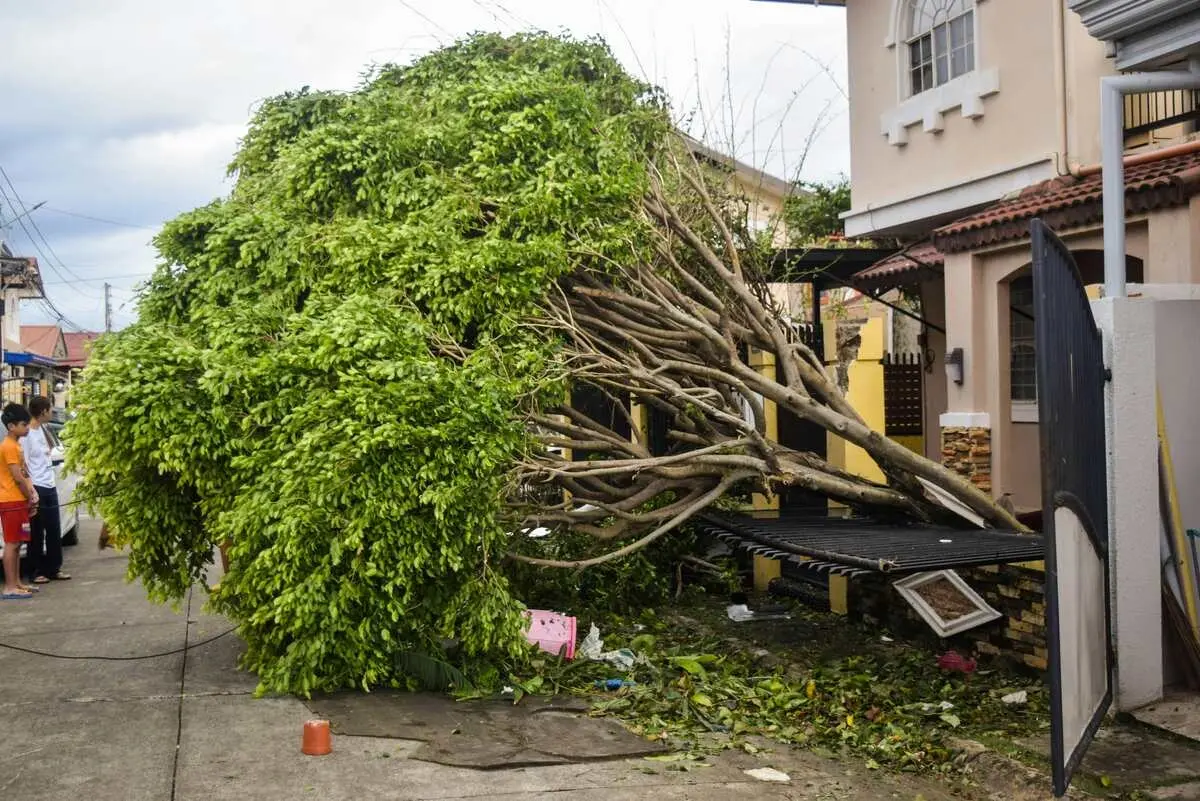
Storms are a fact of life in North Texas, with 2025 forecasts predicting increased intensity due to warming trends. Preemptive measures like cabling weak limbs and thinning canopies reduce wind resistance, while post-storm assessments prioritize safety and salvage.
Prepare with Preparing Your Trees for Texas Storms: Prevention Tips for Dallas and Tarrant County Homeowners, covering risk audits and support systems. Follow up with What to Do After a Storm: Assessing Tree Damage and Cleanup in Dallas and Tarrant County, which guides on debris removal and insurance navigation without compromising tree viability.
Our Emergency Tree Removal and Storm Cleanup teams respond swiftly to fallen hazards, using specialized equipment for urban sites in Dallas and Tarrant County. For bracing, see our advanced support section below. Protect your property—call +1 817-545-6396 immediately after a storm.
Tree Removal: Knowing When It’s Time
Not every tree can be saved, especially if diseased roots threaten structures or if storm damage renders it unstable. In Dallas County, signs like extensive decay or leaning trunks signal the need for professional tree removal services to prevent accidents.
Our Tree Removal Guide: When It’s Necessary and What to Expect in Dallas and Tarrant County outlines the decision-making process, from evaluations to safe dismantling techniques that minimize lawn disruption. For post-removal aesthetics, check Stump Grinding vs. Removal: Pros, Cons, and Costs in Dallas and Fort Worth Yards, comparing grinding for regrowth prevention versus full extraction.
We handle Tree Removal Services and Stump Grinding & Removal with precision, recycling debris where possible. In Fort Worth backyards, this restores usability quickly. A free consultation can confirm if removal is right for you—reach out at info@thelawnfirm.com.
Debunking Common Tree Care Myths
Misinformation abounds in tree services Dallas, from the myth that topping promotes health (it actually invites decay) to believing stumps decompose naturally without intervention. These errors can lead to unsafe, unhealthy landscapes in Tarrant County.
Unpack the facts in Common Tree Myths Debunked: Proper Care Practices for Dallas and Tarrant County Properties, which promotes eco-friendly alternatives like natural pruning over harmful shortcuts. This ties into all our services, reinforcing licensed, knowledgeable care from The Lawn Firm.
Advanced Tree Support Systems
For mature trees at risk, cabling and bracing provide internal reinforcement without invasive surgery, ideal for wind-vulnerable species in Southlake or Dallas windswept lots.
Learn more in Strengthening Your Trees: Cabling, Bracing, and Support Systems in Dallas and Tarrant County, detailing when to apply these during routine evaluations. Our Tree Cabling & Bracing service, performed by qualified experts, extends tree lifespans safely.
Why Choose The Lawn Firm for Professional Tree Care in Tarrant County and Dallas
With decades of local experience, The Lawn Firm stands out as a trusted provider of tree services in Dallas and Tarrant County. Our family-owned operation emphasizes ethical, transparent service—no upselling, just reliable results from certified pros. Whether addressing storm damage in Fort Worth or planting natives in Colleyville, we deliver approachable expertise that builds lasting client relationships.
Frequently Asked Questions About Tree Services in Dallas and Tarrant County
For most North Texas species, late fall or winter during dormancy is ideal to reduce stress and disease risk, like oak wilt. Avoid spring pruning.
Look for rapid wilting, bronze leaves with veinal necrosis on red oaks, or mat-like fungal growth under bark. Early professional assessment is critical.
Recommendations include Shumard Red Oak for shade, Desert Willow for flowers, and Bald Cypress for wetter soils—all drought-tolerant once established.
Deep water established trees 1-2 times weekly (about 10 gallons per inch of trunk diameter), focusing on roots, not foliage.
Yes—credentials ensure safe, effective work. Ask for ISA certification and references.
Trim overhanging branches, install supports if needed, and remove deadwood annually.
Grinding pulverizes the stump below ground for replanting; full removal extracts roots for total clearance.
It’s challenging due to heat; opt for fall for better root growth.