When and How to Prune Trees in Texas: Avoiding Common Mistakes in Tarrant County
In the unpredictable climate of North Texas, where scorching summers give way to sudden freezes and storms ravage Tarrant County neighborhoods like Colleyville and Grapevine, proper tree pruning can mean the difference between a thriving landscape and a costly disaster. Homeowners in Dallas County and Tarrant County often face the aftermath of improper cuts—weakened branches that snap during high winds or infections like oak wilt that spread rapidly, claiming entire groves of live oaks. As of 2025, with ongoing droughts and warmer winters exacerbating these risks, understanding when to trim trees in Texas is crucial to prevent disease and promote healthy growth.
At The Lawn Firm, a family-owned tree service with over 40 years of experience serving both Dallas County and Tarrant County, we’ve seen firsthand how misguided pruning leads to unnecessary tree loss. Our ISA-certified arborists, who stay current through continuing education units (CEUs) and hold TRAQ (Tree Risk Assessment Qualification) certifications, emphasize eco-friendly, personalized approaches that respect local soil conditions—like the heavy clays in Fort Worth areas—and seasonal patterns. We focus on sustainable practices to ensure your trees withstand North Texas challenges.
This guide demystifies tree pruning in Dallas and tree trimming in Dallas, covering optimal timing, techniques, and pitfalls to avoid. Drawing from guidelines and 2025 updates on oak wilt prevention, we’ll equip you with actionable advice tailored to our region. Whether you’re in Southlake dealing with storm-damaged limbs or a Dallas County resident maintaining shade trees, proactive pruning enhances safety and aesthetics. If you’re unsure where to start, schedule a free consultation with our experts today at +1 817-545-6396 or info@thelawnfirm.com. Let’s protect your property’s green assets.
Best Times to Prune Trees in Texas: Seasonal Considerations for North Texas
Timing is everything in tree pruning, especially in Texas where heat, humidity, and pests like the oak wilt fungus dictate safe windows. In general, the best time to prune most trees is during dormancy in late winter—January through February—when sap flow is minimal, reducing stress and disease risk. For Tarrant County and Dallas County, this aligns with cooler months before spring growth flushes.
However, species and local threats matter. Oaks, prevalent in Fort Worth yards, should never be pruned from February 1 to June 30 due to high oak wilt transmission via beetles—paint all wounds immediately if unavoidable. Evergreens like cedars can be trimmed in early summer, while fruit trees benefit from post-harvest cuts.
In 2025, with variable weather patterns, monitor for extended droughts that might shift dormancy—our TRAQ-certified team assesses this during free site visits. For broader maintenance advice, check our Ultimate Guide to Tree Care in North Texas.
Pruning Calendar for Dallas and Tarrant County Trees
| Tree Type | Best Pruning Window | Notes for North Texas |
|---|---|---|
| Oaks (Live, Red) | July-January | Avoid Feb-June for oak wilt; paint cuts. |
| Deciduous (Elm, Maple) | January-February | Dormant season minimizes bleeding. |
| Evergreens (Cedar, Pine) | June-August | After new growth hardens. |
| Fruit Trees (Pecan, Peach) | February-March | Before bud break for shape. |
| Ornamentals (Chinese Pistache) | November-December | Post-leaf drop for structure. |
This calendar, helps prevent issues in clay-heavy soils common to Colleyville.
How to Prune Trees Properly: Techniques for Healthy Growth
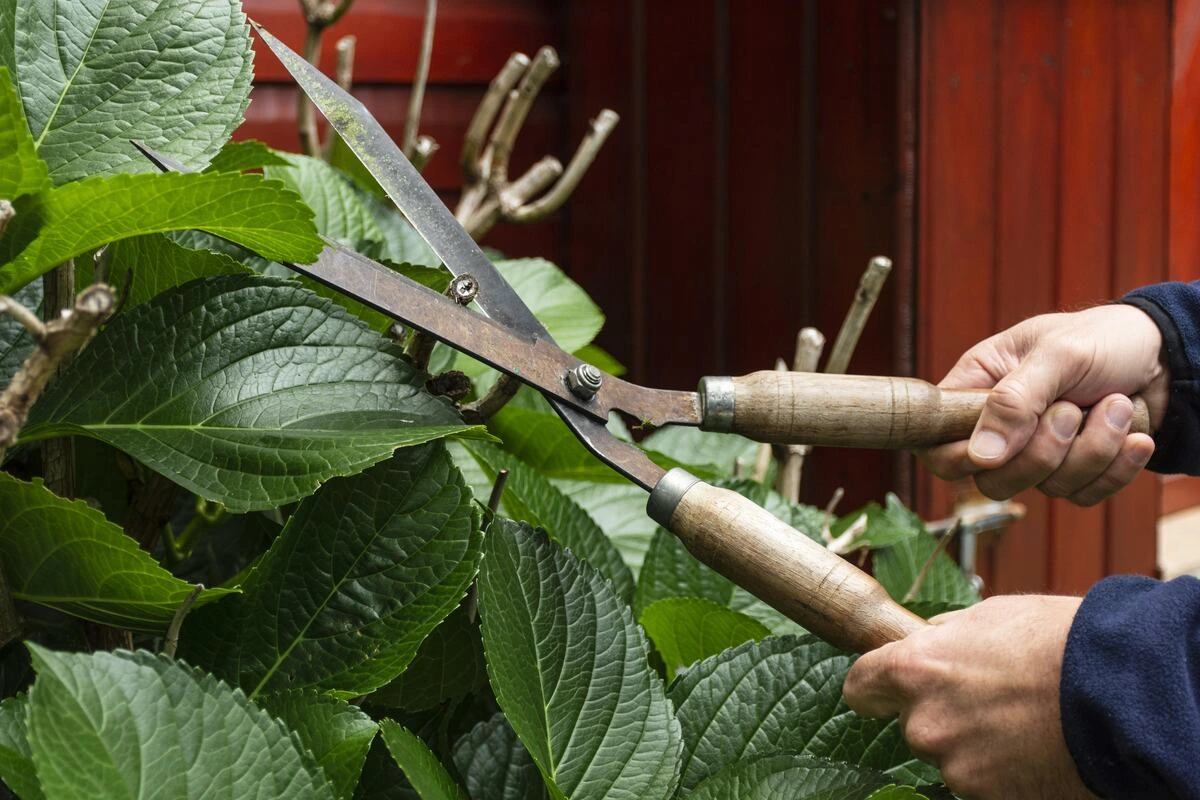
Effective tree pruning in Dallas focuses on health, not just aesthetics—removing dead, diseased, or crossing branches to improve airflow and structure. Start with sharp, clean tools like bypass pruners for small limbs and loppers for larger ones; disinfect between cuts to avoid spreading pathogens.
Key techniques include:
- Thinning Cuts: Remove entire branches at the collar to encourage light penetration, ideal for dense canopies in Tarrant County winds.
- Heading Cuts: Shorten branches to a bud for denser growth, but use sparingly to prevent weak regrowth.
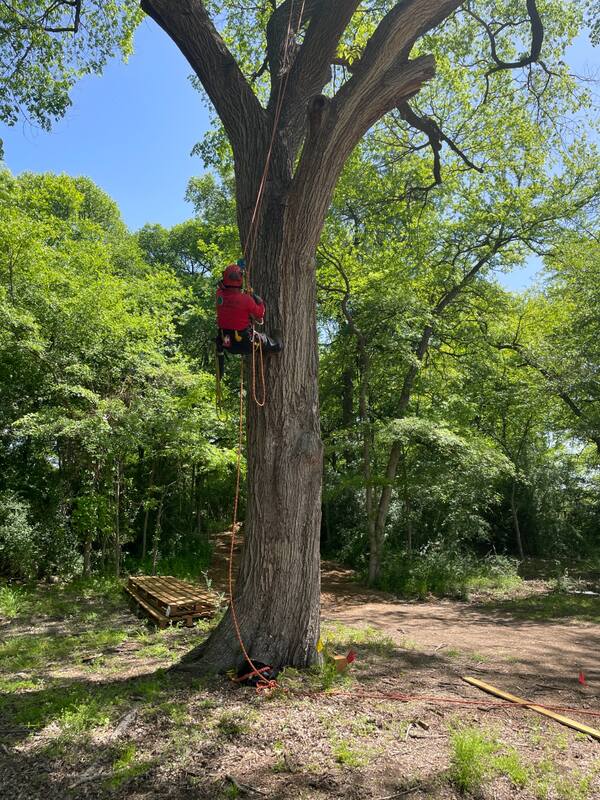
- Safety Measures: Work from the ground or use certified pros for heights over 10 feet—never top trees, as it weakens them long-term.
In Grapevine, where urban heat stresses trees, prune no more than 25% of the canopy annually to avoid shock. Our ISA-certified arborists follow these best practices, offering personalized plans. Learn more about our tree trimming and pruning services in Tarrant County.
Common Pruning Mistakes to Avoid in Tarrant County and Dallas County
Missteps in tree trimming can lead to irreversible damage, especially in North Texas’s harsh environment. One frequent error is pruning during oak wilt season (February-June), risking fungal spread in Fort Worth neighborhoods. Always paint wounds promptly.
Other pitfalls:
- Topping Trees: This harmful practice creates weak, unstable growth—opt for selective thinning instead.
- Over-Pruning: Removing too much foliage stresses trees, making them vulnerable to pests in Dallas County droughts.
- Improper Cuts: Flush cuts or stubs invite decay; cut just outside the branch collar.
- Ignoring Species Needs: Pruning flowering trees post-bloom preserves next year’s buds.
Avoid these by consulting experts. Spot early issues before pruning in our guide on Signs Your Tree Needs Professional Help. Choose the right species first with our Best Trees to Plant guide.
Benefits of Professional Tree Pruning in North Texas
Hiring certified pros for tree pruning in Dallas ensures long-term health and safety. In Tarrant County, where clay soils compact roots, expert evaluations prevent imbalances that cause leaning trees.
Advantages include:
- Disease Prevention: Early removal of infected limbs halts oak wilt spread.
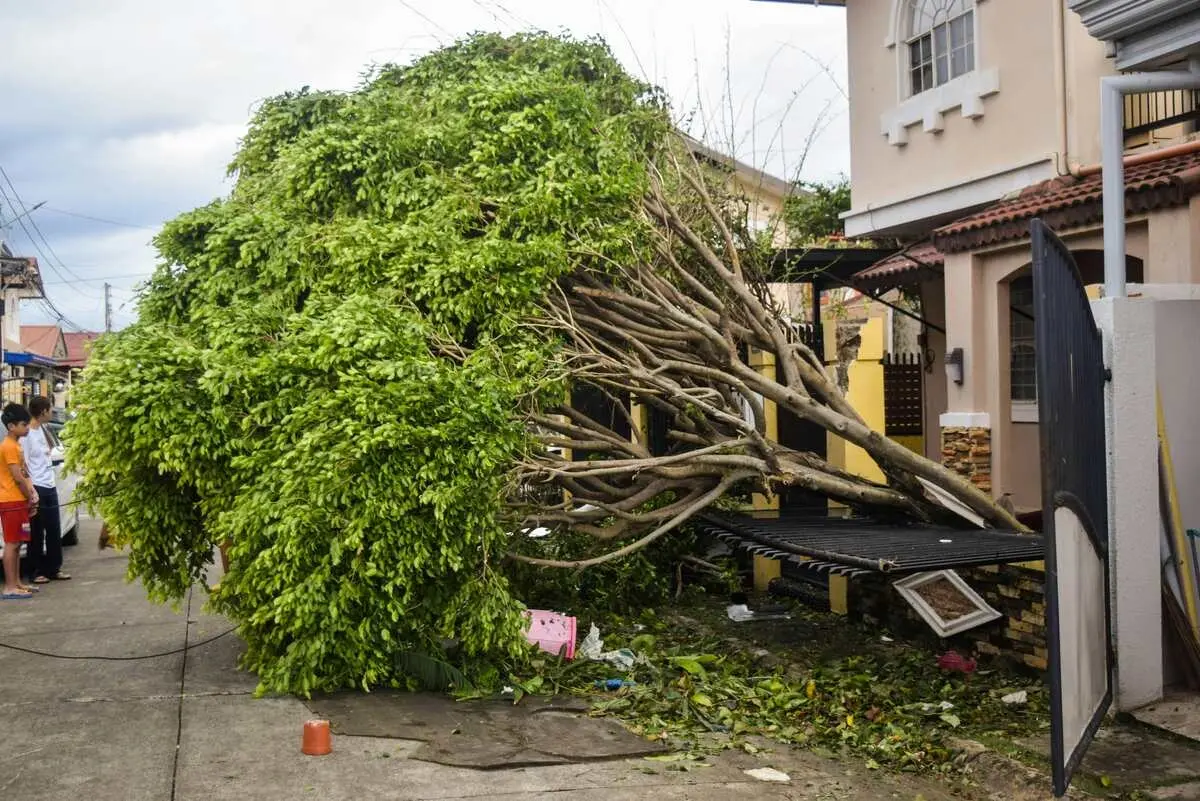
- Storm Readiness: Structured pruning reduces breakage during high winds.
- Eco-Friendly Outcomes: We use organic methods to support pollinators and soil health.
- Property Value Boost: Well-maintained trees enhance curb appeal in Colleyville homes.
Our family-owned service provides high-touch, customized care with free consultations. Visit our tree health evaluation page for a no-obligation assessment.
Frequently Asked Questions About Tree Pruning in Texas
Avoid February 1 to June 30; prune in July-January and paint wounds immediately. Schedule a free consultation for timing advice.
Trimming focuses on shape and safety, while pruning targets health by removing diseased parts—both essential for Tarrant County trees.
Most trees need annual light pruning; fast-growers may require more. Our experts assess during free visits.
For small tasks, yes—but professionals handle risks better. Contact us at +1 817-545-6396 for safe tree pruning in Dallas.
Sharp pruners, loppers, and saws; disinfect them. For oaks, include wound paint.
It weakens structure, invites decay, and increases storm damage—per ISA standards.
Yes, for most species during dormancy (January-February) to minimize stress.